Media and Communication Arts: Radio/TV/Film, A.A.

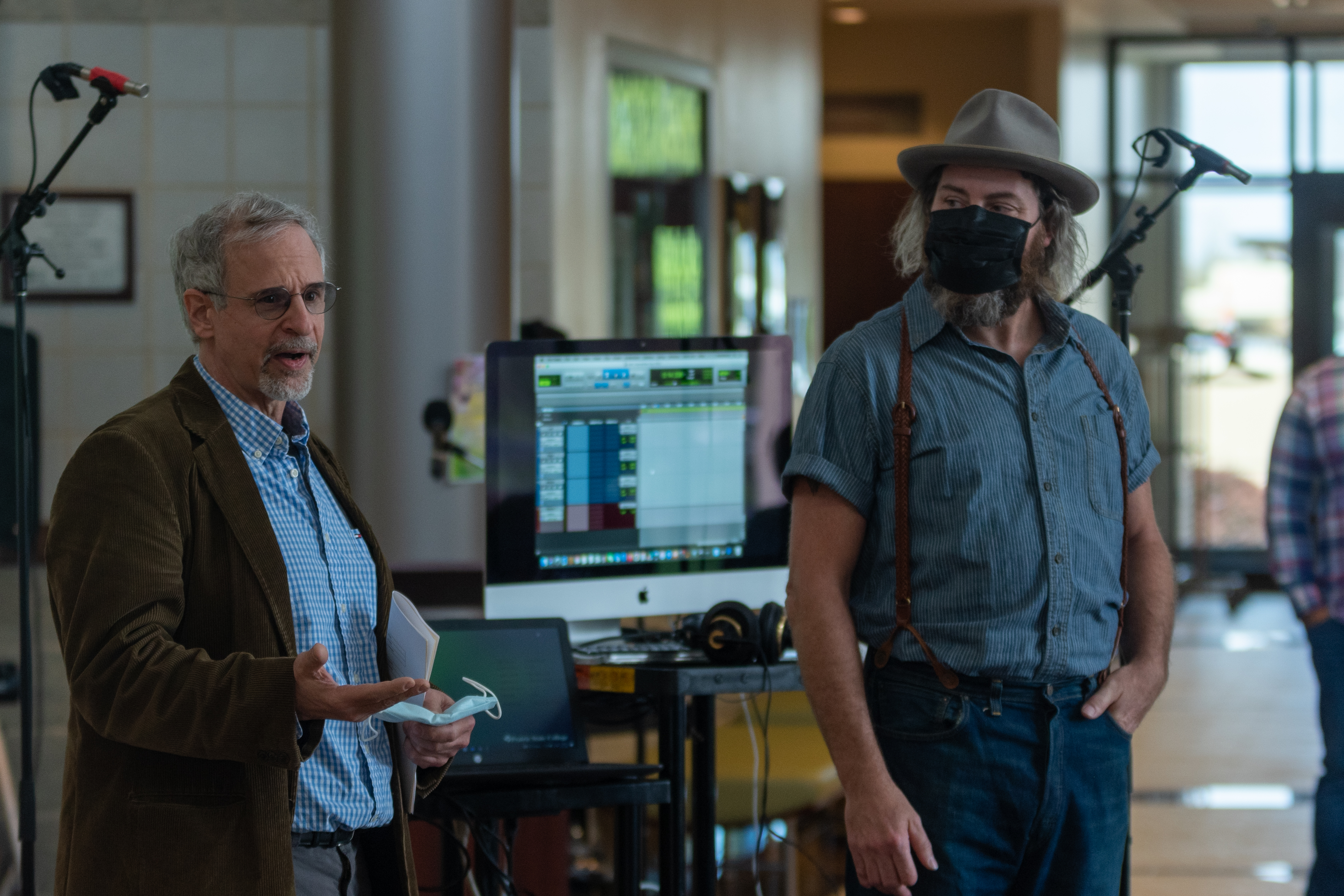
Prairie State College’s Radio/TV/Film A.A. degree program offers hands-on training and industry-relevant coursework to help you turn your creative ideas into compelling visual and audio content. Whether you dream of working behind the scenes or in front of the camera, our program provides the skills and experience needed to succeed in today’s dynamic media landscape.

What Can You Do with a Degree in Radio, TV, and Film?
A degree in Radio/TV/Film opens a wide range of career options. You can work as a
broadcast technician, film editor, camera operator, sound designer, or producer. This
degree also provides a solid foundation for further education in film, communications,
or media production. Whether you want to create captivating TV shows, produce independent
films, work in digital media, or pursue behind-the-scenes roles in the entertainment
industry, a Radio/TV/Film degree gives you the skills and knowledge to bring your
creative visions to life and build a successful career in media.
The media industry is continuously evolving, with growing demand for skilled professionals
in radio, television, film, and digital media. Graduates with a Radio/TV/Film degree
can pursue careers as broadcast technicians, video editors, film producers, camera
operators, sound engineers, or media producers. The industry offers diverse opportunities
across entertainment, news, advertising, and digital content creation. The outlook
remains strong as media organizations seek innovative storytellers and technical experts
to meet the demands of a rapidly changing digital environment.
Suggested Curriculum
The courses below are recommended as part of your program of study. Please work with
your Academic Advisor to select the courses that are right for you and your educational
goals.
Area A: Communication (9 credits)
- ENG 101 Composition I (C1 900) - with a grade of C or better
- ENG 102 Composition II (C1 901R) - with a grade of C or better
- COMM 101 Principles of Communication (C2 900)
Area B: Humanities and Fine Arts (9 credits)
Select three courses from the list for Area B with at least one course from humanities and one course from fine arts
Area C: Mathematics (3 credits)
Select one math course from the list for Area C.
Area D: Physical and Life Sciences (7-8 credits)
Select one life science course and one physical science course from the list for Area D. One course must have a lab component.
Area E: Social and Behavioral Sciences (9 credits)
Select three courses in at least two different disciplines from the list for Area E.
-
COMM 111 Introduction to Mass Communication (MC 911) and/or
-
COMM 115 Introduction to Broadcasting
Select one or two of the following courses:
- COMM 113 Film Appreciation (F2 908)
- COMM 114 Film History (F2 909)
- ENG 256 Film and Literature (HF 908)
Select additional courses from the list of courses approved for transfer or contact the universities you are considering.
Each college and university has its own major requirements and transfer policies. Consult the schools you are considering and a PSC advisor to discuss courses and their transferability.
Faculty Contact Information
Rebecca Slagle
Associate Professor, Visual Communications and Multimedia Arts
Email: rslagle@prairiestate.edu
Phone: (708) 709-7762
Office: 4263
Lab: 4164

Prairie State College provides a comprehensive array of resources designed to foster student success and well-being. These include disability support services, health and safety protocols, career development counseling, and personal support. Academic assistance is readily available through tutoring, advising, and library services, while transfer advising and campus security ensure a safe and seamless college experience. Additionally, the college offers various financial aid options to help students achieve their educational objectives.
Do more with your Degree
Maximize your educational opportunities by exploring our Online programs and personalized
Academic Counseling. Discover how you can expand your credentials and successfully
transition to your next academic goal.
AcademicsOnline Learning
Experience flexible learning with Prairie State College’s online courses. Study from
anywhere at your own pace and achieve your goals with quality education and support.
Start today and advance your future on your schedule.

Student ResourcesAcademic Advising
Need guidance on your academic journey? Reach out to our dedicated academic advisors!
Whether you're choosing the right classes, planning your transfer, or exploring career
options, our advisors are here to support you every step of the way. Don't wait—contact
us today to stay on track and achieve your goals!